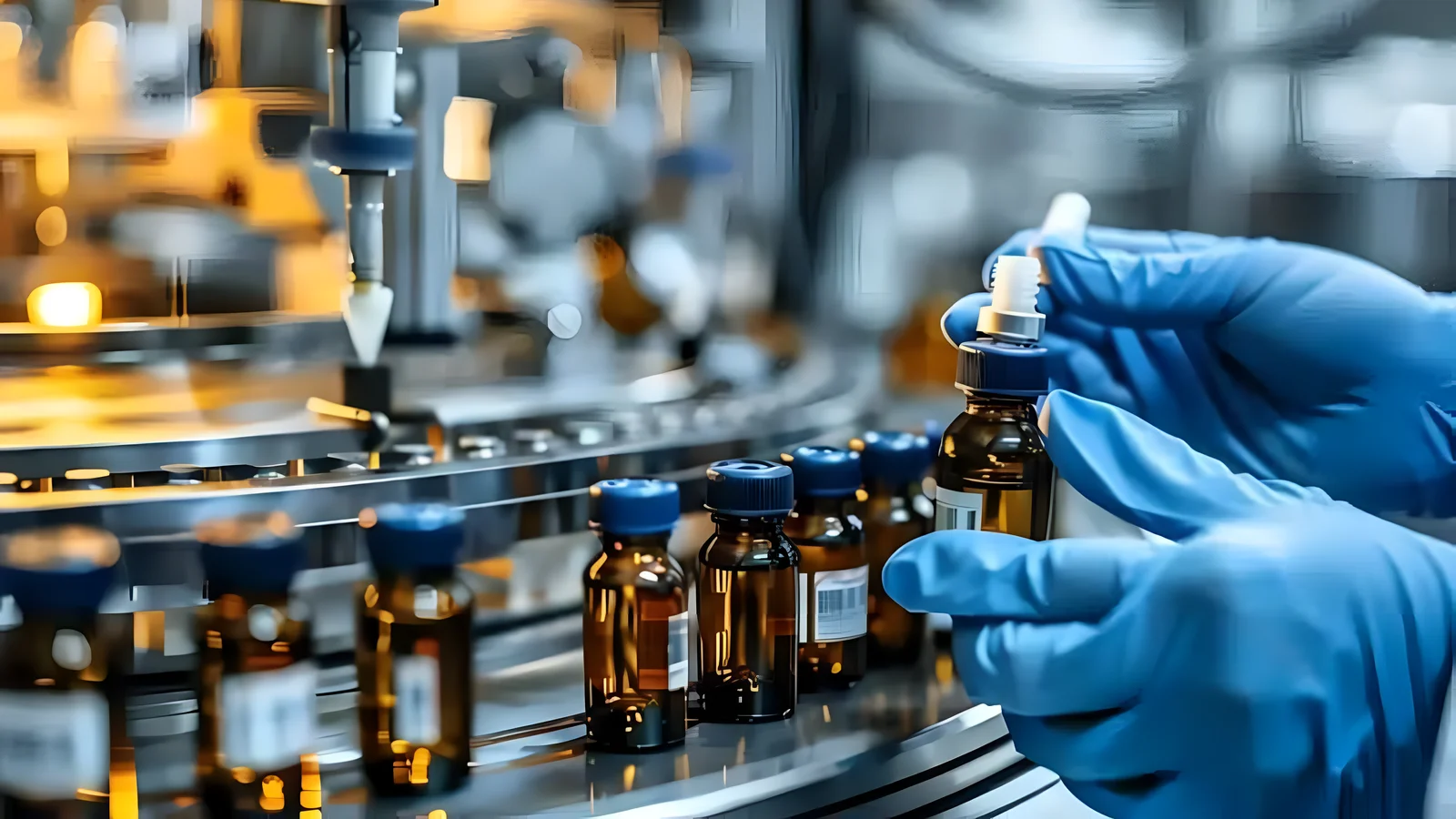
The Evolution of Pharmaceutical Manufacturing
Pharmaceutical manufacturing has undergone a remarkable transformation over the past few decades. The industry has shifted from traditional manual processes to high-tech, precision-driven operations. This evolution has been influenced by growing global healthcare demands, increased regulatory oversight, technological innovations, and the need for faster, more reliable medicine production.
The modern pharmaceutical industry is focused on precision, scalability, and consistency. Automated production lines, cleanroom facilities, and real-time monitoring systems now ensure every batch meets rigorous quality standards. Continuous manufacturing, which replaces conventional batch processes, enables uninterrupted production, reduces downtime, and accelerates the delivery of medicines to patients.
Globalization has also played a significant role. APIs and raw materials are often sourced from different countries, requiring standardized procedures to maintain product quality. Regulatory agencies like the USFDA, EMA, and WHO enforce strict guidelines, compelling manufacturers to continuously upgrade facilities, train staff, and implement modern technologies.
In addition to technology, patient-centric care has become a driving factor in manufacturing evolution. The demand for faster-acting medications, advanced biologics, personalized therapies, and novel drug-delivery systems has encouraged companies to innovate their production methods. Pharmaceutical manufacturers now emphasize speed, quality, and cost-efficiency without compromising safety.

Core Processes and Operational Insights in Pharma Manufacturing
Pharmaceutical manufacturing is a highly regulated, multi-step process where quality and precision are crucial at every stage. In this section, we will explore all key processes, including operational strategies, modern tools, and challenges at each stage.
- Raw Material Procurement and Supplier Management
The journey of a pharmaceutical product begins with sourcing high-quality Active Pharmaceutical Ingredients (APIs) and excipients.
Key aspects include:
- Supplier Verification: Manufacturers conduct rigorous audits to ensure suppliers comply with global standards.
- Quality Testing: Each shipment is tested for potency, purity, microbial contamination, and stability.
- Documentation: Detailed records ensure traceability for regulatory compliance and quality assurance.
Challenges: Global supply disruptions, trade restrictions, and fluctuations in raw material quality can directly affect production timelines. Companies mitigate risks by sourcing from multiple suppliers and maintaining buffer stocks.
- Formulation Development and Blending
Formulation involves combining APIs with excipients to create the final drug product. The process differs depending on the dosage form:
- Solid Dosage Forms: Tablets and capsules undergo granulation, compression, coating, and encapsulation.
- Liquid Dosage Forms: Syrups, suspensions, and solutions require accurate mixing, filtration, and homogenization.
- Injectables and Biologics: Require aseptic filling under sterile conditions in controlled environments.
Advanced Practices:
- Process Optimization: Automated mixers and blending machines ensure uniformity and prevent cross-contamination.
- In-Process Quality Checks: Weight variation, content uniformity, and blend homogeneity are continuously monitored.
Formulation science is also evolving with novel drug delivery systems like controlled-release tablets, prefilled syringes, and nasal sprays to improve patient adherence.
- Manufacturing and Sterilization Techniques
Manufacturing transforms raw materials into finished medicines, while sterilization ensures product safety and longevity.
Key considerations by dosage form:
- Tablets and Capsules: Granulation, compression, and coating are automated for precision.
- Liquids and Syrups: Homogenization, filtration, and bottling are monitored for microbial contamination.
- Injectables: Aseptic processing and sterilization through autoclaving or filtration are critical.
Modern pharmaceutical plants use HEPA-filtered cleanrooms, automated filling lines, and real-time monitoring to maintain quality and prevent contamination.
- Quality Assurance (QA) and Quality Control (QC)
Quality is the backbone of pharma manufacturing. QA and QC processes ensure that every batch is safe, effective, and compliant with regulations.
- In-Process QA: Weight checks, content uniformity, pH, and viscosity tests for liquids.
- Final Product QC: Stability studies, microbial testing, dissolution testing, sterility checks, and potency verification.
- Documentation: Every batch is recorded in batch manufacturing records for traceability and audit compliance.
- Packaging and Labeling
Packaging is more than just containment; it protects medicines and ensures safe usage.
- Protection: Safeguards against moisture, light, and contamination.
- Tamper-Evident Measures: Holograms, QR codes, and seals prevent counterfeiting.
- Regulatory Compliance: Accurate labeling with dosage, instructions, and safety warnings.
Advanced packaging solutions, including smart packaging with RFID tags, allow real-time tracking across the supply chain.
- Warehousing, Cold Chain, and Distribution
The final step is storing and delivering medicines safely:
- Temperature-Controlled Storage: Critical for biologics, vaccines, and insulin.
- Cold Chain Logistics: Real-time monitoring ensures products remain within specified temperature ranges.
- Inventory Management: ERP systems track stock levels, prevent shortages, and optimize distribution routes.
Efficient warehousing and distribution reduce lead times, prevent wastage, and ensure medicines reach patients safely and on time.
Technology and Innovation in Pharma Manufacturing
Technological innovations are driving pharmaceutical manufacturing toward greater efficiency, precision, and sustainability. Modern tools not only improve production but also enhance compliance and patient safety.
- Automation and Robotics
Automation streamlines repetitive and precision-heavy tasks such as filling, capping, labeling, and packaging. Robotics reduce human error, maintain consistent quality, and increase production speed.
- Artificial Intelligence (AI) and Data Analytics
AI helps manufacturers predict demand trends, optimize production schedules, and anticipate equipment failures. Data-driven insights also guide preventive maintenance and enhance decision-making across R&D and quality control.
- Continuous Manufacturing
Continuous manufacturing replaces batch production with a seamless process, improving consistency, reducing waste, and shortening production cycles. This enables faster patient access without compromising quality.
- Advanced Quality Control Systems
Real-time monitoring with sensors and digital inspection tools ensures product integrity. These systems track environmental parameters and verify potency and purity. Digital QA platforms provide traceable records for audits.
- Sustainability and Green Practices
Pharma manufacturers are adopting green chemistry, reducing water and energy usage, and using recyclable packaging. Sustainable operations minimize environmental impact and reduce costs.
- Blockchain and Traceability
Blockchain ensures transparency across the supply chain. Serialization, QR codes, and secure digital ledgers help prevent counterfeit medicines and guarantee batch traceability from raw material to patient delivery.
Challenges, Opportunities, and Future Outlook
Pharmaceutical manufacturing is a dynamic and complex industry, driven by technological innovation, global healthcare needs, and regulatory demands. At the same time, companies face operational, financial, and environmental challenges that must be carefully managed. Effective strategies, modernization, and sustainable practices are critical for ensuring consistent medicine production, improved patient safety, and robust global supply chains. By addressing challenges and leveraging opportunities, pharmaceutical manufacturers can not only enhance operational efficiency but also contribute to the advancement of global healthcare systems, ensure accessibility, and maintain long-term industry growth.
Challenges
- Dependency on Imported APIs: Import reliance exposes companies to geopolitical and logistical risks.
- Regulatory Complexity: Compliance with multiple international standards increases operational demands.
- Counterfeit Medicines: Fake drugs threaten patient safety and brand integrity.
- Rising Costs: Advanced technologies, skilled labor, and high-quality raw materials drive costs higher.
- Complex Supply Chains: Global production networks are susceptible to transportation delays and disruptions.
Opportunities
- Contract Manufacturing Growth: Outsourcing enables scalability and allows companies to focus on R&D.
- Biologics and Specialty Medicines: Rising demand for cancer, autoimmune, and rare disease therapies fuels innovation.
- Digital Transformation: AI, robotics, and IoT improve productivity and quality control.
- Sustainable Manufacturing: Eco-friendly initiatives reduce costs and appeal to environmentally conscious markets.
- Global Partnerships: Collaborations with international companies expand market reach and strengthen supply chains.
Future Outlook
The future of pharmaceutical manufacturing is poised for significant growth and transformation. Companies will increasingly rely on smart factories, AI-driven production, continuous manufacturing, and digital QA systems to enhance operational efficiency and regulatory compliance. Growth in personalized medicine, biologics, and advanced drug-delivery technologies will drive research, development, and production strategies. Sustainability will remain a core focus, with eco-friendly processes, renewable energy usage, and green chemistry becoming standard. Global collaboration, resilient supply chains, and innovative technology adoption will ensure the consistent availability of high-quality medicines, improving patient outcomes and supporting long-term industry stability. As healthcare needs expand worldwide, pharmaceutical manufacturers are preparing for a future that combines technological excellence, sustainability, and patient-centered innovation.