Transforming Healthcare Through Modern Pharma R&D and Drug Innovation
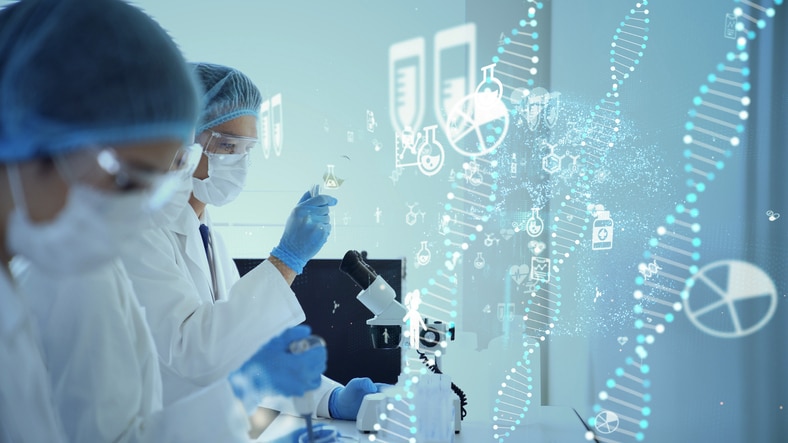
Pharmaceutical Research and Development (R&D) is the cornerstone of global medical progress. It serves as the foundation through which scientists transform early laboratory discoveries into meaningful therapies that can treat, manage, or cure diseases. The process is highly structured, involving scientific exploration, testing, regulatory evaluation, and large-scale production. Every medicine available today—from antibiotics to cancer therapies—has passed through years of research, evaluation, and meticulous development. The core aim of R&D is to deliver safe, effective, and innovative treatments that enhance the quality of human life.
In recent years, technological advancements such as artificial intelligence, genetic engineering, and high-throughput screening have reshaped the pharmaceutical landscape. These tools help researchers discover drug candidates faster, predict outcomes more accurately, and design therapies that target diseases at the molecular level. At the same time, increasing global health demands, complex diseases, and rising regulatory expectations make pharmaceutical R&D more challenging and essential than ever. Despite these complexities, it remains the driving force behind medical breakthroughs and a major contributor to improved global health.
FOUNDATIONS OF PHARMA R&D
Understanding the Building Blocks of Drug Research
Drug research begins by identifying the medical need—either a disease lacking effective treatment or an existing therapy that needs improvement. Scientists investigate disease pathways, conduct genetic analysis, and assess patient data to pinpoint potential drug targets. This foundational work guides the entire development process, helping researchers understand how the future drug will interact with the human body. Without strong early research, no pharmaceutical innovation can move successfully toward clinical evaluation.
Key Elements of Early Drug Research:
- Target Identification and Validation
Researchers explore disease biology to find the specific protein, receptor, or enzyme that plays a role in the illness. Validating this target ensures that treating or modifying it could produce a therapeutic effect.
- Hit Discovery and Screening
Advanced screening technologies test thousands of compounds to identify initial “hits” that show promise. These hits form the starting point for lead candidates.
- Lead Optimization
Scientists modify the chemical structure of selected hits to enhance their activity, improve safety, and ensure the compound behaves well in the human body.
- Preclinical Investigation
Lab experiments and animal studies assess toxicity, metabolism, and preliminary safety to decide whether a drug is ready for human trials.
Strategic Pillars That Support Successful R&D
- Integration of Technology in Research - Tools like AI, machine learning, molecular modeling, and robotics accelerate discovery and reduce laboratory errors, making research more precise.
- Collaboration Between Academia and Industry - Partnerships help merge scientific innovation with industrial expertise, enabling faster progress and better resource utilization.
- Regulatory Science and Compliance - Understanding guidelines early helps researchers design studies that align with FDA, EMA, and global regulatory expectations.
- Patient-Focused Approaches - Real-world evidence, patient feedback, and genetic insights allow companies to develop therapies that address specific needs more effectively.
- Efficient Portfolio Planning - Balanced R&D portfolios ensure companies manage high-risk and low-risk projects strategically to maximize long-term success.
THE R&D PROCESS — FROM DISCOVERY TO APPROVAL
The journey from drug discovery to final approval is one of the most complex and rigorous processes in the pharmaceutical industry. It begins with deep scientific exploration to understand diseases at the molecular level and identify the right therapeutic targets. Every stage—from early discovery to clinical trials—requires precise testing, strict evaluation, and continuous refinement to ensure both safety and effectiveness. Researchers must analyze thousands of compounds, eliminate ineffective options, and advance only those with the strongest potential. As the drug progresses into human trials, data is accumulated, reviewed, and validated to confirm that the treatment offers meaningful benefits. Ultimately, only after passing all scientific, clinical, and regulatory hurdles does a new medicine receive approval and become available to patients worldwide.
- Target Research and Early Discovery - This is where scientists explore disease biology and identify potential drug targets. Early discovery sets the foundation for the entire R&D process and determines whether a treatment concept is viable.
- Hit Identification and Screening - Thousands of compounds are screened using automated systems to find those that show initial activity against the disease target. These “hits” are the first chemical clues that could eventually evolve into effective drugs.
- Lead Optimization - Promising hits are chemically refined to improve potency, safety, and stability. Researchers analyze how structural changes influence performance to create stronger and safer lead candidates.
- Preclinical Testing - Before testing on humans, the drug undergoes laboratory and animal studies to evaluate toxicity, absorption, and metabolic behavior. Preclinical work ensures the drug is safe enough to enter clinical development.
- Phase I Clinical Trials - The first phase involves a small group of healthy volunteers. The objective is to evaluate initial safety, determine dosage limits, and understand how the drug behaves inside the human body.
- Phase II Clinical Trials - The drug is tested on patients with the actual disease. This phase measures early effectiveness, identifies side effects, and refines the dosage strategy to prepare the drug for large-scale testing.
- Phase III Clinical Trials - Thousands of patients are enrolled to compare the new drug with existing treatments. Data from this phase is crucial for regulatory approval, as it demonstrates whether the drug is effective on a global scale.
- Regulatory Submission and Review - All collected data—scientific, clinical, and manufacturing—is compiled for submission to regulatory authorities. Approval is granted only after rigorous evaluation confirming safety, quality, and therapeutic benefits.
GLOBAL IMPACT, CHALLENGES & FUTURE DIRECTIONS
The Real-World Importance of Pharma R&D
Pharma R&D plays a crucial role in improving global health outcomes. It enhances treatment options for chronic illnesses, rare diseases, and emerging infections, ensuring better public health. Over the years, pharmaceutical innovation has significantly reduced mortality rates, increased patient survival, and promoted healthier aging. The world heavily relies on R&D to address rising health threats, manage pandemics, and bring advanced medical technologies to the forefront.
Key Points:
-
Supports the discovery of advanced therapies like biologics, biosimilars, and mRNA-based treatments
-
Expands access to modern healthcare in remote and underserved regions
-
Promotes scientific innovation and economic growth
-
Strengthens global preparedness against emerging health threats
-
Improves life expectancy and overall patient well-being
Conclusion
Pharma R&D and drug development form the backbone of progress in healthcare, providing continuous innovation and improved treatment options. From early research and laboratory testing to clinical trials and global approval, the process ensures that every medicine is safe, effective, and ready for patient use. Although the journey is long and complex, the outcomes—life-saving therapies, improved quality of life, and global health progress—make the effort invaluable.
As technology reshapes pharmaceutical science, the future of drug development looks more promising than ever. New tools, better collaboration, and data-driven research will continue to push boundaries and create therapies that are more personalized, accessible, and effective.
Explore Related Blogs
Stay informed with our curated selection of similar blogs, offering expert perspectives on pharmaceutical trends, regulatory updates, and product innovations.
These articles are designed to help healthcare professionals, partners, and businesses stay ahead in an ever-evolving industry. Explore more to deepen your knowledge and make informed decisions.