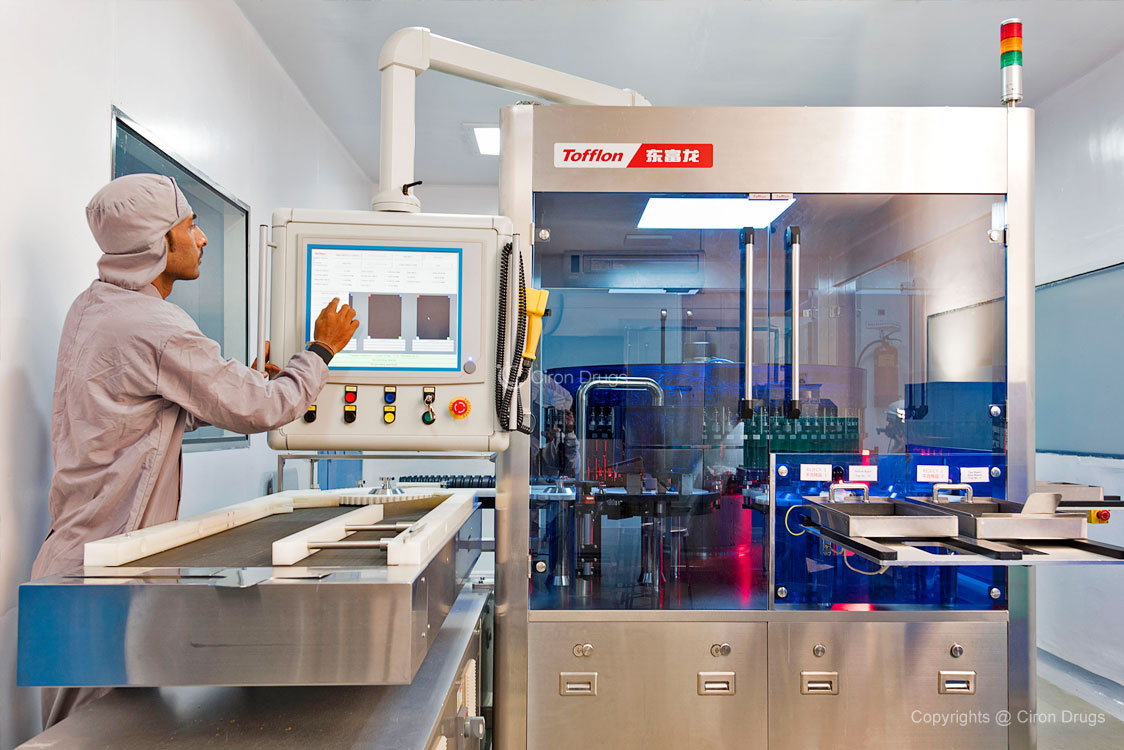
Pharmaceutical manufacturing is the backbone of global healthcare. Every pill, capsule, injectable, or syrup begins its journey in a carefully controlled production environment where precision, quality, and compliance are non-negotiable. The method by which a pharmaceutical product is manufactured influences its quality, cost, availability, and ultimately, patient safety.
Yet, pharmaceutical manufacturing is far from uniform. Companies employ different models depending on their business strategy, regulatory capacity, technical expertise, and market focus. Understanding these models is crucial for professionals, investors, and healthcare stakeholders aiming to navigate the industry effectively.
Modern pharmaceutical production is a complex interplay of science, technology, and regulatory compliance. From small molecule drugs to complex biologics, manufacturing processes must meet stringent quality standards while remaining economically viable.
Over the past decade, the pharmaceutical industry has witnessed a shift in how companies approach manufacturing. Rising global demand, regulatory scrutiny, and the need for cost-efficient operations have pushed firms to adopt flexible models. While traditional in-house production remains relevant for proprietary drugs, outsourcing to contract manufacturers has become increasingly common.
Consider a mid-sized pharma company developing a new cardiovascular drug. Setting up a dedicated production facility might take years and involve significant investment. Alternatively, partnering with a third-party manufacturer with existing capabilities allows the company to bring the drug to market faster while focusing on research and marketing. This scenario illustrates why understanding manufacturing models is no longer optional—it is a strategic necessity.
Pharmaceutical manufacturing models can broadly be categorized into in-house manufacturing, contract or third-party manufacturing, and specialized production for APIs, bulk drugs, and finished dosage forms. Each model comes with distinct advantages, challenges, and applications.
In-House Manufacturing – Control and Precision
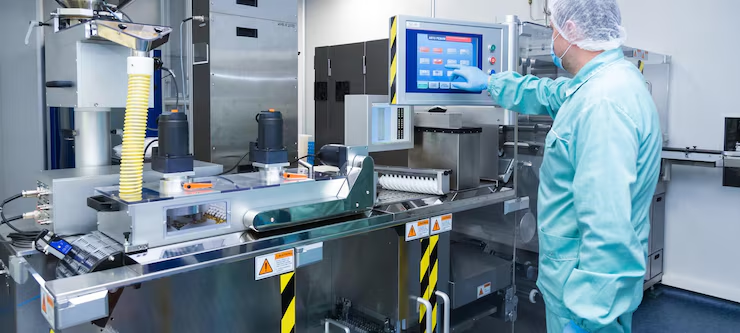
In-house manufacturing, often referred to as captive production, involves producing pharmaceutical products within a company’s own facilities. This model is typically favored by large, well-established companies seeking complete control over quality, proprietary processes, and regulatory compliance.
- Total Control Over Production: With in-house manufacturing, companies can monitor every step of production, from raw material sourcing to final packaging. This level of control ensures that every batch meets strict quality standards, reduces the risk of deviations, and maintains consistency. For example, a company producing oncology drugs cannot afford variability in potency, as patient safety is paramount. In-house facilities enable the strict adherence necessary for such sensitive formulations.
- Protecting Intellectual Property: Pharmaceutical innovation often relies on proprietary formulations and processes. By keeping production internal, companies safeguard their intellectual property, preventing sensitive methods from being exposed to external parties. This protection is particularly important in high-value therapeutic areas where formulas are core to competitive advantage.
- Regulatory Compliance Made Easier: Maintaining regulatory compliance is simpler when production is centralized. Companies can design quality management systems tailored to their specific processes, ensuring alignment with GMP guidelines, FDA or EMA regulations, and local standards. This control also simplifies internal audits and facilitates inspections by regulatory authorities.
- Flexibility and Adaptation: In-house facilities provide the flexibility to experiment with new formulations, adjust batch sizes, and implement process improvements rapidly. A company can seamlessly scale production to meet market demand or test innovative approaches without relying on external partners.
However, this model is not without challenges. Establishing and maintaining in-house facilities demands significant capital investment, technical expertise, and ongoing operational management. Small or mid-sized companies often find this model resource-intensive, which is why alternative manufacturing approaches have gained popularity.
Contract and Third-Party Manufacturing – Strategic Collaboration
Contract or third-party manufacturing has emerged as a popular alternative for pharmaceutical companies looking to reduce operational burden and optimize costs. In this model, companies outsource production to specialized Contract Manufacturing Organizations (CMOs) or Third-Party Manufacturers (TPMs).
- Cost Efficiency and Resource Optimization
Building a manufacturing facility involves high capital expenditure, skilled labor, and regulatory approval processes. Outsourcing allows companies to leverage existing infrastructure without upfront investment, making production more cost-effective. This approach is particularly advantageous for companies entering new markets or launching niche products.
- Access to Specialized Expertise
CMOs often have expertise in producing complex formulations such as injectables, biologics, or high-potency compounds. By partnering with such organizations, companies can access advanced technology, experienced personnel, and proven processes that may not be feasible to replicate in-house.
- Scalability and Flexibility
Third-party manufacturing provides unmatched flexibility. Companies can scale production up or down based on market demand without worrying about idle capacity or underutilized infrastructure. This dynamic approach allows rapid response to seasonal demand fluctuations, clinical trial scale-ups, or sudden market surges.
- Regulatory Assurance
Reputable CMOs maintain strict compliance with global regulatory standards. They provide GMP-compliant facilities, robust quality systems, and validated processes. This ensures that outsourced products meet regulatory requirements without the contracting company having to manage every operational detail directly.
- Enabling Focus on Core Competencies
Outsourcing allows pharmaceutical companies to focus on research, development, and marketing. By delegating production to trusted partners, companies can accelerate innovation and maintain a competitive edge while ensuring that high-quality medicines reach patients efficiently.
Despite its advantages, third-party manufacturing comes with challenges. Selecting reliable partners, safeguarding intellectual property, and maintaining consistent quality across multiple production sites require careful due diligence. Effective contracts, regular audits, and clear communication channels are essential for successful collaborations.
Specialized Models – APIs, Bulk Drugs, and Finished Dosage Forms
Pharmaceutical manufacturing can also be categorized based on the type of product being produced. This includes Active Pharmaceutical Ingredients (APIs), bulk drugs, and finished dosage forms (FDFs). Each category requires specialized facilities, processes, and expertise.
- API Manufacturing: APIs are the biologically active components of drugs. Manufacturing APIs requires precise chemical synthesis, strict quality control, and adherence to environmental and safety regulations. API production often involves highly controlled reactions, purification steps, and validation processes to ensure purity, potency, and stability. Companies may produce APIs in-house or outsource to specialized API manufacturers depending on strategic priorities.
- Bulk Drug Manufacturing: Bulk drug production involves creating large quantities of pharmaceutical intermediates or raw drug compounds. This stage emphasizes efficiency, scalability, and cost-effectiveness while ensuring that the chemical or biological integrity of the product remains intact. Bulk drugs are later converted into finished dosage forms either in-house or via third-party partners.
- Finished Dosage Form (FDF) Manufacturing: FDF manufacturing transforms APIs or bulk drugs into patient-ready medicines such as tablets, capsules, injectables, syrups, or ointments. This stage requires precise formulation, accurate dosage measurement, blending, encapsulation, packaging, and labeling. High standards of quality control and stability testing are essential to ensure that medicines remain safe and effective throughout their shelf life.
- Emerging Trends in Specialized Manufacturing: The pharmaceutical industry is moving toward continuous manufacturing, automation, and modular facilities to increase efficiency, reduce waste, and enhance product consistency. Digital monitoring and Process Analytical Technology (PAT) are increasingly used to ensure precise control over manufacturing processes. These innovations are transforming how APIs, bulk drugs, and FDFs are produced.
- Global Supply Chain Considerations: In today’s interconnected world, pharmaceutical companies must balance in-house production, third-party partnerships, and specialized manufacturing to meet both domestic and international demand. Strategic integration of these models ensures timely delivery, regulatory compliance, and cost efficiency across complex supply chains.
Conclusion: Choosing the Right Pharma Manufacturing Model
Pharmaceutical manufacturing is a multi-faceted discipline with several models, each offering distinct advantages. In-house manufacturing provides maximum control, proprietary protection, and flexibility, but requires significant investment. Contract and third-party manufacturing offer cost-efficiency, access to expertise, and scalability, making them suitable for companies aiming to focus on research and market expansion. Specialized production of APIs, bulk drugs, and finished dosage forms ensures precision and regulatory compliance for complex products. Choosing the right manufacturing model depends on business goals, market strategy, regulatory landscape, and technical capabilities. By understanding the nuances of each model, pharmaceutical companies can optimize production, maintain quality, and deliver safe, effective medicines to patients worldwide.
The future of pharmaceutical manufacturing will continue to evolve with technological innovation, regulatory reforms, and global collaboration. Companies that strategically select the right manufacturing model and integrate modern practices will be well-positioned to succeed in an increasingly competitive and dynamic industry.