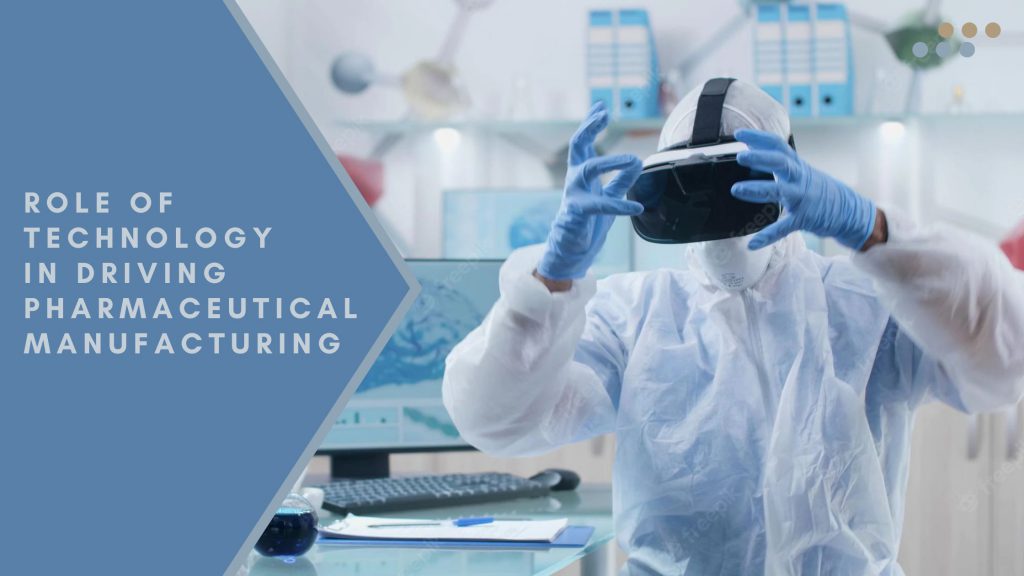
The pharmaceutical manufacturing industry has undergone a dramatic transformation over the last two decades, with technology becoming the driving force behind efficiency, quality, and innovation. Earlier, pharma manufacturing was heavily dependent on manual processes, paperwork, limited automation, and human-driven decision-making. This made production slower, more error-prone, and difficult to scale. But today, with the integration of advanced technologies—such as automation, robotics, artificial intelligence (AI), machine learning (ML), data analytics, IoT, and digital quality systems—pharma companies are able to produce medicines faster, safer, and with higher accuracy than ever before.
Modern pharma manufacturing focuses on three major goals: improving product quality, reducing operational costs, and accelerating time-to-market. Technology plays a crucial role in all these areas by replacing repetitive manual tasks, enabling real-time monitoring, improving batch consistency, and ensuring regulatory compliance. Technologies such as digital twins, predictive analytics, and smart sensors allow companies to simulate production lines, predict failures, and correct issues before they affect output. This leads to continuous improvement, reduced downtime, and higher overall productivity.
Additionally, patient needs and market demands have evolved. There is now a growing requirement for personalized medicines, higher production scalability, and faster response to health crises such as pandemics. Technology empowers pharma manufacturers to meet these demands by enabling flexible manufacturing systems, rapid quality testing, and advanced research capabilities. AI-driven drug discovery, for example, can analyze millions of compounds in minutes—something impossible manually.
Regulatory bodies like the FDA and WHO also encourage technological adoption because digital systems enhance transparency, data integrity, and traceability. Paperless manufacturing ensures that companies maintain clean records, reduce human errors, and maintain compliance effortlessly. Ultimately, technology is not just an add-on advantage—it has become a core foundation of modern pharmaceutical production, elevating quality, safety, and innovation across the industry.
Technologies Transforming Pharma Manufacturing
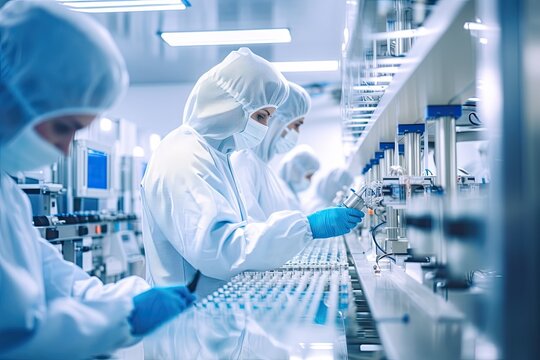
As pharma companies adopt digital tools, manufacturing becomes faster, smarter, and more reliable. Technology supports every stage—from raw material sourcing to packaging—ensuring accuracy and efficiency. Below are key technologies revolutionizing the industry.
Key Technological Advancements
- Automation and Robotics- Automation reduces manual workload and ensures consistency. Robots handle repetitive tasks such as filling, packaging, labeling, and inspection. This lowers human error and improves speed while enhancing workplace safety.
- Artificial Intelligence (AI) and Machine Learning (ML)- AI helps in predictive maintenance, demand forecasting, and analyzing production trends. ML algorithms study past data to detect patterns, helping companies predict equipment failures, optimize batches, and improve quality metrics.
- Internet of Things (IoT) and Smart Sensors- IoT devices continuously monitor temperature, humidity, machine performance, and more. Smart sensors send real-time alerts to operators, preventing batch failures and ensuring environmental control throughout the production process.
- Digital Quality Management Systems (QMS)- Paper-based systems often lead to delays and compliance issues. A digital QMS enables automated approvals, real-time documentation, and streamlined audits—ensuring regulatory adherence with minimal effort.
- Cloud and Data Analytics- Cloud-based systems allow centralized data storage and access. Analytics tools help decision-makers evaluate production performance, identify bottlenecks, and plan improvements.
Additional Key Technologies
- 3D Printing in Pharma- 3D printing allows personalized dosage forms, custom drug delivery systems, and rapid prototyping. It supports targeted therapies and makes complex formulations easier to produce.
- Blockchain for Traceability- Blockchain ensures supply chain transparency by tracking each step of a product’s journey. This reduces counterfeit risks and maintains trust in the pharma ecosystem.
- Digital Twins- A digital twin is a virtual model of a real pharma system. Companies use it to simulate production lines, detect inefficiencies, and test improvements without disrupting actual operations.
- Predictive Maintenance- Using AI and sensors, manufacturers predict machine failures before they occur. This reduces downtime, saves repair costs, and improves production reliability.
- Advanced Packaging Systems- Smart packaging with QR codes, RFID tags, and serialized labels provides better tracking, authentication, and supply chain security.
How Technology Improves Quality, Safety, and Efficiency
Quality, safety, and efficiency are the pillars of pharmaceutical manufacturing, and technology enhances each one significantly. Advanced tools eliminate human errors, deliver precise control over processes, and ensure consistent production outcomes. Whether it is automated equipment that ensures uniformity or digital systems that maintain clean audit records, technology plays a direct role in safeguarding public health. Below are essential ways technology improves manufacturing performance, with detailed point-wise explanations.
- Enhanced Batch Consistency
Automation ensures that each batch follows the exact same parameters—such as temperature, mixing speed, and ingredient quantity. This uniformity leads to more reliable and predictable results, reducing variability between batches.
- Real-Time Monitoring for Quality Assurance
IoT sensors continuously track production conditions. If any parameter deviates from the acceptable range, immediate alerts are generated. This real-time oversight helps prevent costly batch failures and maintains product safety.
- Reduced Human Errors
Manual processes often lead to mistakes in measurement, documentation, and execution. Automation and digital systems reduce reliance on manual input, ensuring higher precision and fewer compliance issues.
- Faster Decision-Making Through Data Analytics
Big data tools analyze vast amounts of manufacturing information. These insights help managers identify inefficiencies, predict market demand, and improve operational strategies based on accurate facts rather than assumptions.
- Improved Workplace Safety
Robots and automated machines take over dangerous tasks involving toxic chemicals, heavy lifting, or high-risk environments. This keeps workers safe and reduces injury-related downtime.
- Increased Regulatory Compliance
Digital systems maintain accurate, tamper-proof records required by agencies like FDA, WHO, and GMP. Automated documentation ensures data integrity and makes audits smoother and faster.
- Efficient Resource Management
Technology helps optimize the use of raw materials, water, power, and machinery. Predictive models reduce wastage and ensure sustainable operations, lowering production costs.
- Speedier Drug Development Cycles
AI accelerates research by analyzing molecular structures, predicting drug behavior, and identifying ideal formulations faster than traditional methods. This shortens development time and supports faster patient access.
- Personalized Medicine Production
Technologies like 3D printing and flexible manufacturing allow customized dosages and targeted therapies. This improves treatment outcomes and reduces side effects.
- Minimal Downtime Through Predictive Maintenance
Predictive algorithms identify early signs of machine wear and tear. This allows companies to schedule timely maintenance and avoid sudden breakdowns that disrupt production.