Understanding Third-Party Pharmaceutical Manufacturing in India
Advantages of Choosing Third-Party Pharma Manufacturing
Regulatory Compliance and Quality Standards in India
Evaluating Manufacturing Capabilities and Infrastructure
How to Select the Right Pharmaceutical Manufacturing Partner
Building a Long-Term, Trustworthy Partnership

Third Party Manufacturing Pharmaceuticals In India

Third Party Manufacturing Pharmaceuticals In India image
What is Third-Party Pharmaceutical Manufacturing?
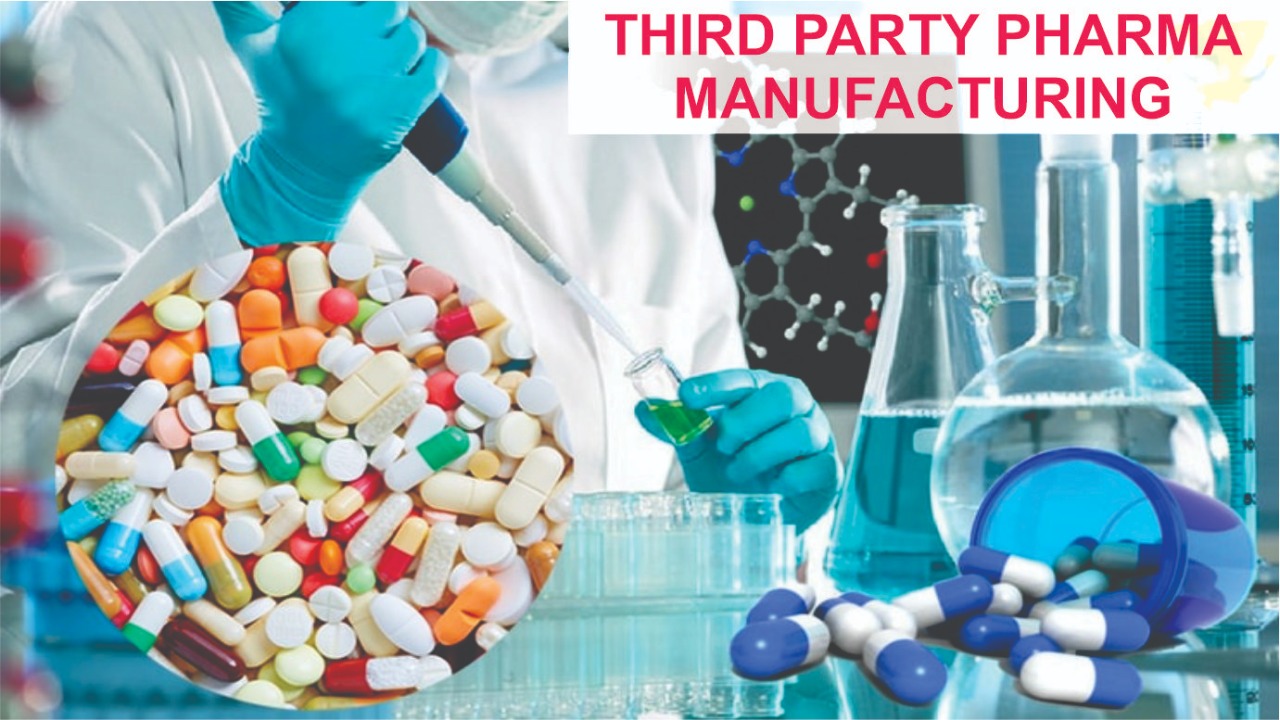
Third-party pharmaceutical manufacturing is a business model where a certified manufacturing company produces medicines on behalf of another company, usually under the client’s brand name. This allows businesses—especially marketing companies, startups, and small pharma brands—to offer high-quality pharmaceutical products without owning or operating a manufacturing facility.
By outsourcing production to an experienced manufacturer, companies can focus entirely on branding, marketing, and distribution. This reduces the need for heavy capital investment in land, machinery, and trained personnel, which are otherwise required for setting up a pharmaceutical plant. It also eliminates the need to deal directly with regulatory authorities for manufacturing operations.
Why Do Companies Opt for This Model?
Third-party manufacturing is highly cost-effective and operationally efficient. Setting up a manufacturing facility involves large upfront investments, maintenance costs, and adherence to strict regulatory standards. By outsourcing production, companies avoid these hurdles and can bring products to market faster.
This model also provides operational flexibility. Businesses can scale production up or down depending on market demand without worrying about infrastructure limitations. Companies can focus on their core expertise—such as sales, marketing, and customer relationships—while leaving the production, quality control, and compliance to expert manufacturers.
How Does the Process Work?
The process of third-party manufacturing generally follows a structured workflow:
  1. Agreement: The client signs a detailed manufacturing agreement with a WHO-GMP-certified manufacturer, outlining product specifications, timelines, and deliverables.
  2. Product Selection: Clients choose from the manufacturer’s existing product list or request customized formulations to meet specific market needs.
  3. Regulatory Support: Manufacturers assist with regulatory documentation, stability studies, and compliance with local and international drug authorities.
  4. Manufacturing & Testing: Medicines are produced using advanced technology and tested rigorously for quality, safety, and efficacy.
  5. Branding & Packaging: Products are labeled and packaged under the client’s brand name according to design specifications.
  6. Delivery: The finished products are dispatched to domestic or international markets, ready for distribution.
Who Benefits From This Approach?
Third-party manufacturing is ideal for startups entering the market with limited capital. Marketing-focused companies can expand their product lines without investing in a manufacturing setup. Established pharmaceutical firms can also benefit by producing cost-effective products in India for global markets. It enables fast expansion, reduces operational risks, and ensures high-quality production.
Third Party Manufacturing Pharmaceuticals In India 2nd image
Key Benefits of Third-Party Pharmaceutical Manufacturing
  1. Cost Savings and Profitability
    Third-party manufacturing significantly reduces the financial burden associated with setting up and operating a manufacturing plant. Companies don’t have to invest in machinery, infrastructure, or staff, allowing them to allocate more capital toward marketing, sales, and research. Bulk manufacturing also brings economies of scale, which reduces production costs and increases profit margins.
  2. Focus on Core Business Areas
    Outsourcing production enables businesses to focus on core competencies such as brand development, market research, sales strategies, and customer engagement. By delegating technical manufacturing to experts, companies can improve efficiency and concentrate on building a stronger market presence.
  3. Faster Time-to-Market
    Established manufacturers have structured systems to produce and deliver products quickly. This is particularly useful for launching new products, responding to sudden market demands, or addressing competitive pressures. Faster time-to-market ensures that businesses can capitalize on emerging opportunities before competitors.
  4. Quality Assurance and Compliance
    Reputed manufacturers adhere to strict quality control measures, ensuring product safety and efficacy. Each batch is tested for active ingredients, stability, packaging integrity, and contamination control. Manufacturers also conduct audits and maintain detailed documentation to comply with regulatory authorities, making products ready for both domestic and international markets.
  5. Scalability and Business Growth
    As businesses grow, manufacturing partners can scale production to match increasing demand. Companies do not need to reinvest in infrastructure, which saves costs and time. This scalability allows businesses to expand into new geographies, explore new therapeutic areas, and respond to market changes without operational delays.
  6. Enhanced Innovation and Expertise
    Third-party manufacturers often invest in research, development, and state-of-the-art technologies. By partnering with them, companies gain access to expert formulation techniques, new dosage forms, and innovative delivery methods. This enhances product quality and gives businesses a competitive advantage in the pharmaceutical market.
Third Party Manufacturing Pharmaceuticals In India 3rd image

Have Questions?

Reach Out to Us
How to Choose the Right Third-Party Manufacturing Partner
  1. Experience and Market Reputation
    Experience is critical when selecting a manufacturing partner. A company with a long track record demonstrates reliability, consistent product quality, and regulatory expertise. Businesses should check client testimonials, case studies, and online reviews to assess reputation and performance history.
  2. Infrastructure and Technology
    Modern infrastructure, cleanroom facilities, automated production lines, and in-house R&D labs are essential for high-quality pharmaceutical production. Advanced technology ensures consistency, hygiene, and efficiency. A manufacturer with cold chain logistics and stability testing capabilities adds further value.
  3. Regulatory Certifications
    Certifications such as WHO-GMP, ISO 9001:2015, CDSCO, FDA, and FSSAI are mandatory. These certifications indicate compliance with global quality standards and ensure that products are safe, effective, and acceptable in domestic and international markets.
  4. Manufacturing Capacity and Flexibility
    The manufacturer should have the capacity to meet volume requirements and handle sudden surges in demand. Flexibility in production scheduling, batch sizes, and packaging formats is essential, especially for companies launching multiple products or entering new markets.
  5. Customization and Branding Support
    Manufacturers offering formulation customization, packaging design, and label printing help businesses create a unique brand identity. Additional support with technical dossiers, marketing collaterals, and product samples simplifies product launches and reduces operational challenges.
  6. Support and Client Collaboration
    A reliable partner provides ongoing support, guidance, and transparent communication. Regular updates, technical advice, and timely delivery are key indicators of a strong partnership. Collaborative manufacturers help companies navigate regulatory challenges while maintaining high product standards.
Why VTV Formulations Is Your Ideal Third-Party Partner
VTV Formulations, established in 2019 in Baddi, Himachal Pradesh, is a WHO-GMP-certified manufacturer providing end-to-end third-party pharmaceutical solutions. Their expertise spans tablets, capsules, syrups, injectables, nasal sprays, eye/ear drops, and ointments, ensuring compliance, quality, and timely delivery.

Key Advantages of VTV Formulations:
  1. VTV Formulations has state-of-the-art infrastructure with automated production lines and advanced cleanroom facilities, ensuring hygiene and high-quality output.
  2. They offer a diverse product portfolio across multiple therapeutic segments, allowing companies to expand their offerings efficiently.
  3. Services include custom formulation development, regulatory support, product branding, packaging, and logistics management.
  4. Flexible production capacity accommodates both pilot batches and large commercial orders, enabling scalable growth without extra investment.
  5. Compliance with WHO-GMP, ISO standards, and national regulations guarantees safe and effective products.
  6. Dedicated client support ensures smooth onboarding, transparent collaboration, and long-term partnership success.
Conclusion:
Partnering with VTV Formulations gives pharmaceutical companies a reliable manufacturing backbone. Their modern infrastructure, skilled team, and regulatory expertise ensure consistent, safe, and effective products. Businesses can focus on branding, marketing, and sales while VTV manages production, quality, and compliance. Flexible production and end-to-end services allow seamless scaling to meet market demand. By choosing VTV Formulations as a trusted partner, companies can strengthen their brand, expand product lines, and confidently enter new markets. The collaboration ensures faster market entry, consistent quality, and long-term business growth.

Explore Related Blogs

Stay informed with our curated selection of similar blogs, offering expert perspectives on pharmaceutical trends, regulatory updates, and product innovations. These articles are designed to help healthcare professionals, partners, and businesses stay ahead in an ever-evolving industry. Explore more to deepen your knowledge and make informed decisions.