The pharmaceutical industry operates on a complex foundation of research, manufacturing, regulatory compliance, marketing, and distribution. For many pharma companies, especially startups, PCD franchise operators, exporters, and brand owners, managing all these functions in-house is not always practical or financially viable. This is where third-party pharma manufacturing plays a critical role. It allows companies to focus on branding, marketing, and market expansion while outsourcing the manufacturing responsibility to specialized pharmaceutical manufacturers.
Third-party pharma manufacturing has become an essential business model in India due to the country’s strong manufacturing infrastructure, skilled workforce, cost efficiency, and compliance with global regulatory standards. India is widely recognized as one of the largest producers of generic medicines, making it an ideal destination for contract and third-party manufacturing services.
In this model, a pharma company markets and sells products under its own brand name, while the actual manufacturing is carried out by a licensed and certified pharmaceutical manufacturer such as VTV Formulations. The manufacturer handles formulation development, raw material sourcing, production, quality control, packaging, and regulatory compliance. The brand owner retains ownership of the brand, distribution network, and market strategy.
This guide explains third-party pharma manufacturing in a structured, step-by-step manner. It is designed for entrepreneurs, pharma professionals, distributors, and companies seeking a clear understanding of how the model works, who it is suitable for, and how to implement it successfully.
Core Concept of Third-Party Pharma Manufacturing
Third-party pharma manufacturing, also known as contract manufacturing, is a business arrangement where a pharmaceutical company outsources the production of medicines to a certified manufacturing unit. The manufacturing unit produces medicines according to agreed specifications, quality standards, and regulatory requirements, while the client company markets the products under its own brand.
This arrangement ensures that companies without manufacturing facilities can still operate legally and competitively in the pharmaceutical market. The manufacturing partner acts as a backend support system, while the brand owner focuses on frontend activities such as promotion, distribution, and relationship management.
Working Model and Process Flow of Third-Party Pharma Manufacturing
How the Third-Party Manufacturing Model Operates
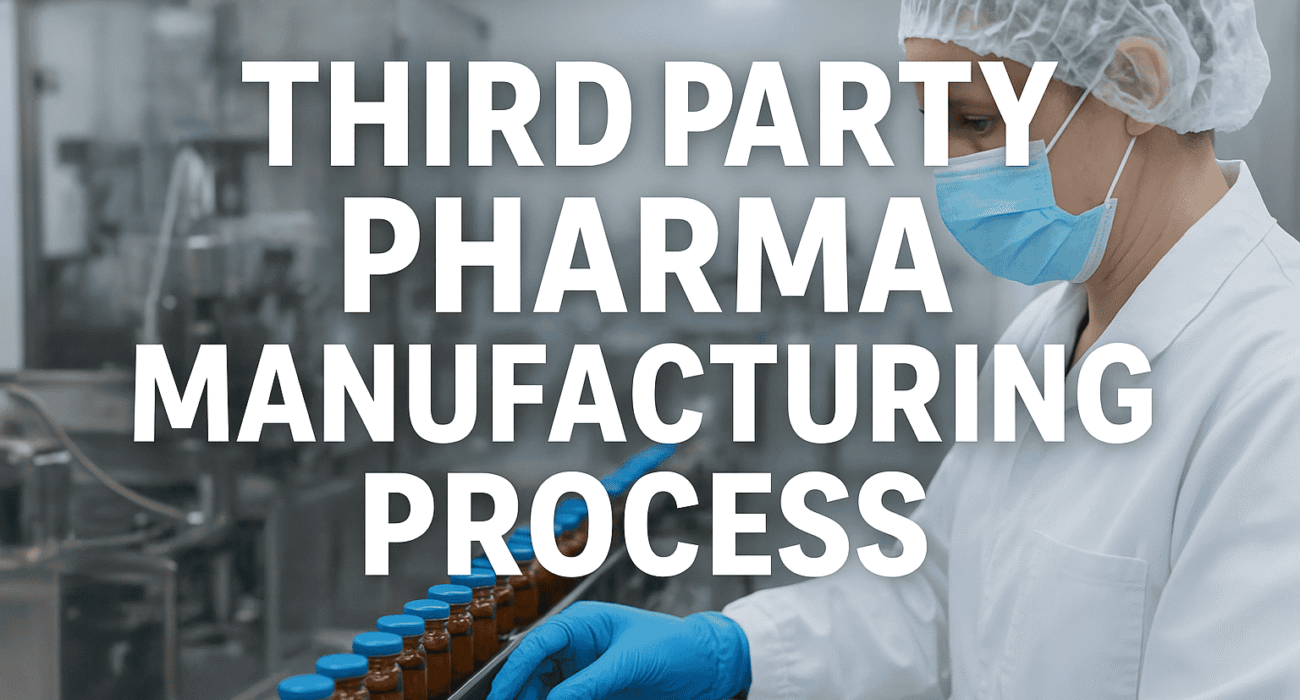
The third-party pharma manufacturing model functions through a systematic and well-defined process. Each stage is interconnected, ensuring product quality, regulatory compliance, and timely delivery. Companies like VTV Formulations follow structured protocols to maintain consistency and reliability across product batches.
Below are the key stages involved in the working model:
Key Process Stages
- Product Finalization and Requirement Assessment: The process begins with identifying the product category, dosage form, composition, and target market. The client company discusses its requirements regarding formulations, strengths, packaging style, and quantity. This stage ensures alignment between market demand and manufacturing feasibility.
- Agreement and Documentation: A formal agreement is signed between the brand owner and the manufacturer. This includes product specifications, pricing, minimum order quantities, timelines, and confidentiality clauses. Legal documentation ensures transparency and protects intellectual property rights.
- Regulatory and Compliance Preparation: The manufacturer ensures that all products comply with Drug and Cosmetic Act regulations. This includes preparation of master formula records, batch manufacturing records, stability data, and necessary approvals.
- Manufacturing and Quality Control: Production is carried out in WHO-GMP certified facilities. Quality checks are conducted at every stage, including raw material testing, in-process checks, and finished product analysis.
- Packaging and Labeling: Products are packed according to branding guidelines provided by the client. Labels include mandatory regulatory information, batch numbers, expiry dates, and branding elements.
- Dispatch and Supply Chain Coordination: After final quality clearance, products are dispatched to the client or designated warehouses. Efficient logistics management ensures timely delivery and inventory continuity.
Additional Operational Elements
- Batch Planning and Production Scheduling: Manufacturers plan production batches to optimize efficiency while maintaining quality consistency. This helps reduce delays and ensures predictable supply.
- Post-Manufacturing Support: Manufacturers often provide post-production documentation, including COAs, invoices, and regulatory support, which helps brand owners during audits or inspections.
Quality, Compliance, and Risk Management
Importance of Quality and Compliance in Third-Party Manufacturing
Quality and regulatory compliance form the backbone of third-party pharma manufacturing. Maintaining high standards ensures that medicines are safe, effective, and consistent across every batch. Strict adherence to regulatory guidelines protects patient health and ensures that products meet domestic and international pharmacopoeial standards.
For pharma companies like VTV Formulations, compliance is not only about meeting legal requirements but also about building trust among doctors, distributors, and consumers. A strong quality system reduces the risk of product recalls, manufacturing errors, and legal complications. It also facilitates smooth regulatory audits and supports long-term market sustainability.
- WHO-GMP Certification
WHO-GMP certification ensures that medicines are manufactured in hygienic, controlled, and standardized environments. It builds trust among doctors, distributors, and regulatory authorities.
- Raw Material Quality Control
Only approved and tested raw materials are used in manufacturing. Each batch undergoes quality testing to ensure safety, potency, and consistency.
- In-Process Quality Checks
Quality checks during production help identify deviations early. This prevents batch rejection and ensures uniformity across large-scale production.
- Finished Product Testing
Final products are tested for physical, chemical, and microbiological parameters. Only compliant batches are released for market distribution.
- Regulatory Documentation Management
Accurate documentation supports traceability and compliance. It also protects brand owners during audits and legal inspections.
- Risk Mitigation and Recall Preparedness
Manufacturers maintain recall systems and risk management protocols. This ensures quick response in case of quality or safety concerns.