Understanding Softgel Capsules and Market
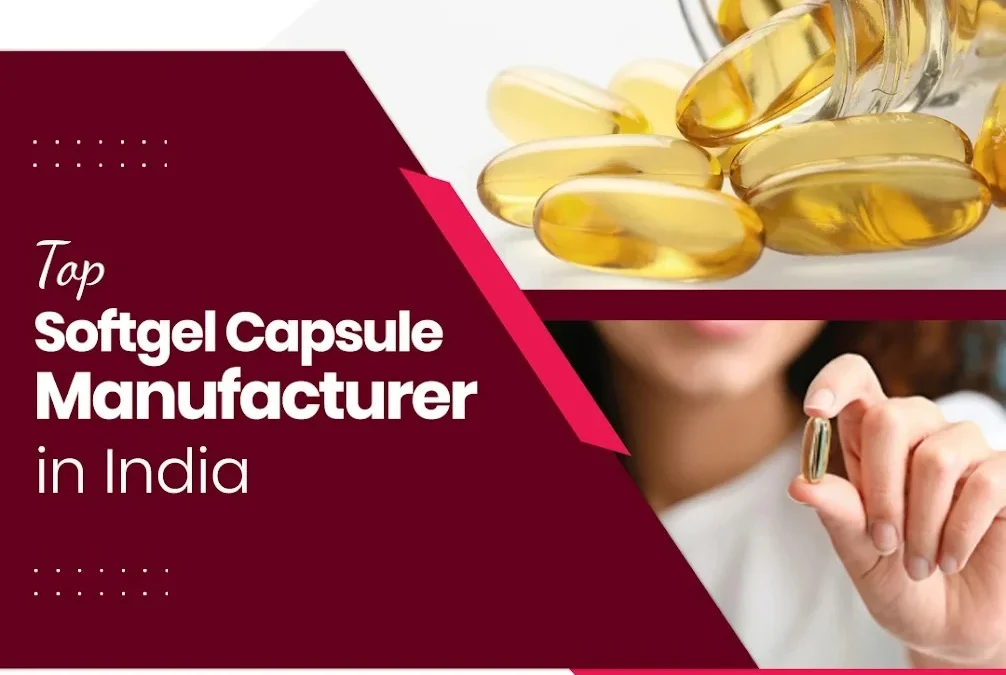
Softgel capsules have become a preferred dosage form in both pharmaceutical and nutraceutical sectors due to their convenience, bioavailability, and protection of sensitive ingredients. These capsules are easy to swallow and protect oils, vitamins, and herbal extracts from moisture, light, and oxidation, ensuring efficacy.
India’s pharmaceutical industry has grown rapidly, with softgel capsules becoming a key segment. Increasing health awareness, lifestyle-related diseases, and rising disposable income are major drivers of domestic demand. Softgel capsules are widely used in immunity boosters, cardiovascular support, joint health supplements, and other nutraceutical formulations.
Globally, India is recognized as a reliable hub for softgel manufacturing. Advanced production facilities, automation, and skilled workforce allow Indian manufacturers to comply with WHO-GMP, ISO, and FDA standards, making them competitive for export markets.
Personalized nutrition trends are also influencing the market. Manufacturers can create custom formulations, capsule shapes, sizes, and coatings to meet consumer-specific requirements.
In summary, understanding the softgel market, consumer expectations, and production standards is essential for businesses seeking a trusted manufacturing partner.
Technological Innovations in Softgel Manufacturing
- Automated Encapsulation Machines
Modern softgel manufacturing relies on automated machines that fill capsules with precise liquid or semi-solid formulations. This ensures uniform weight, accurate dosing, and minimal human error, which are critical for both pharmaceutical efficacy and consumer safety.
- Controlled Drying Processes
After encapsulation, softgels are dried under strictly monitored temperature and humidity conditions. This stabilizes the capsule, prevents stickiness, and maintains the intended shape, which is essential for quality and shelf life.
- Polishing and Finishing
Polishing machines provide softgels with a smooth, visually appealing finish. This enhances consumer confidence, improves product aesthetics, and ensures easy handling and packaging.
- Real-Time Quality Monitoring
Sensors and digital monitoring systems track capsule weight, shell thickness, and overall integrity during production. Immediate corrections reduce defects, lower wastage, and maintain consistent quality across batches.
- Formulation Innovations
Innovative formulation techniques such as liposomal delivery systems improve nutrient absorption. Stabilization methods protect sensitive oils and herbal extracts, ensuring potency over longer storage periods and enhancing bioavailability.
- Sustainable Manufacturing Practices
Energy-efficient machinery, eco-friendly processes, and green packaging initiatives are increasingly integrated into production. These practices minimize environmental impact while maintaining high-quality output.
- Advanced Packaging Technologies
Blister packs, HDPE bottles, and tamper-proof seals protect softgels from moisture, light, and contamination. Customized labeling ensures traceability, regulatory compliance, and strong brand visibility.
By integrating these technologies, Indian softgel manufacturers can deliver superior quality products, satisfy international standards, and offer efficient, reliable solutions for businesses.